Best AI Research & Knowledge Tools — Faster Answers & Deeper Insights
AI research and knowledge tools in 2026 compress hours of searching, reading, and synthesizing into minutes. The best tools retrieve accurate answers with citations, summarize academic papers without losing nuance, and surface connections across your own knowledge base that would take days to find manually. This category covers 30+ tools ranked for answer accuracy, source quality, citation handling, and how well they handle specialized or technical research.
The AI Search Engine & Multi-Agent Research Assistant
AI Search & Digital Presence Platform
Computational Intelligence and Expert-Level Knowledge Engine
AI-Powered Grammar & Language Enhancement Assistant
AI Search Engine & Web Research API Platform
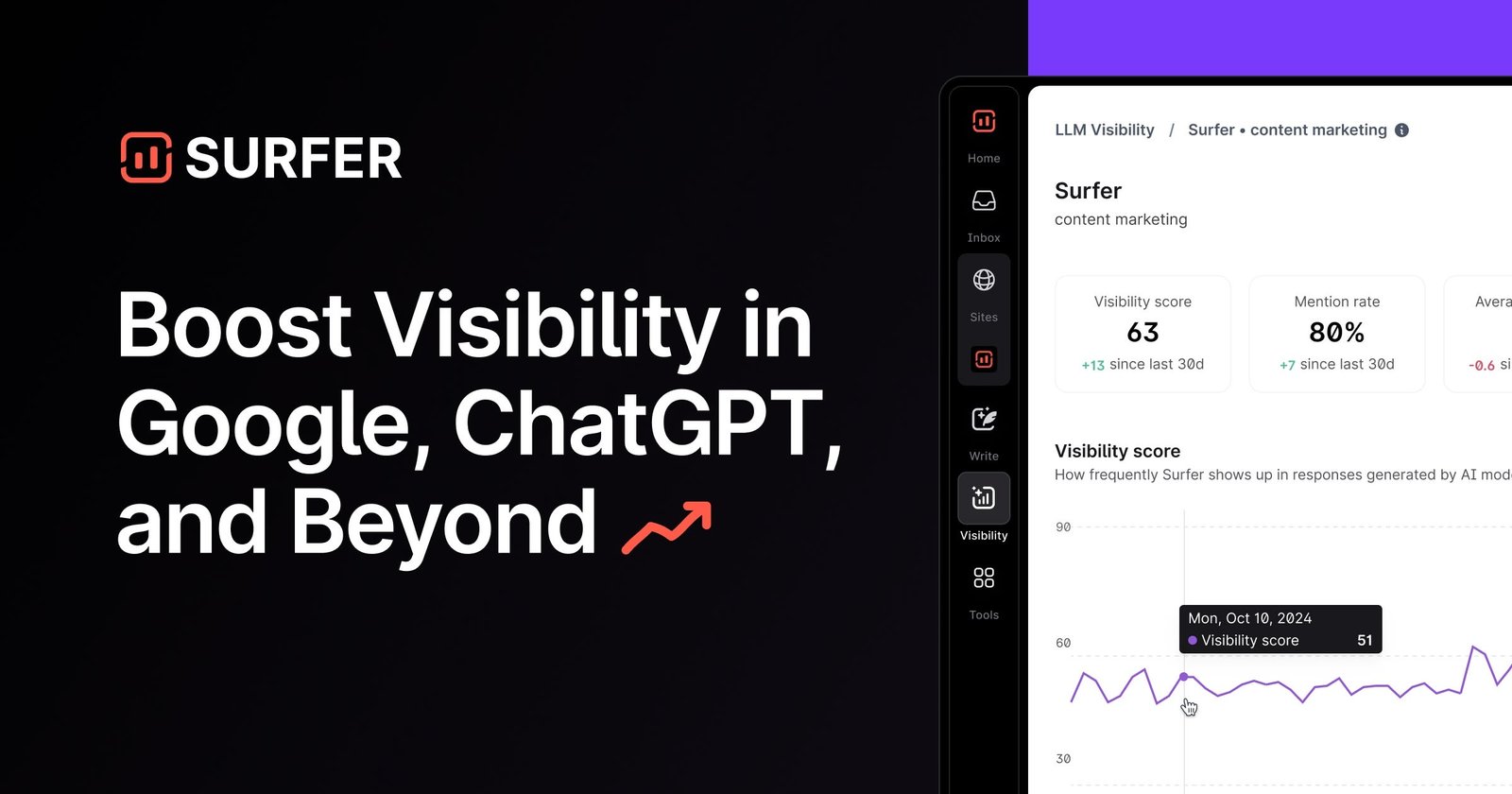
The Unified AI & Search Visibility Platform
Collaborative Card-Based Note-Taking Platform
Enterprise AI Search & Context Platform
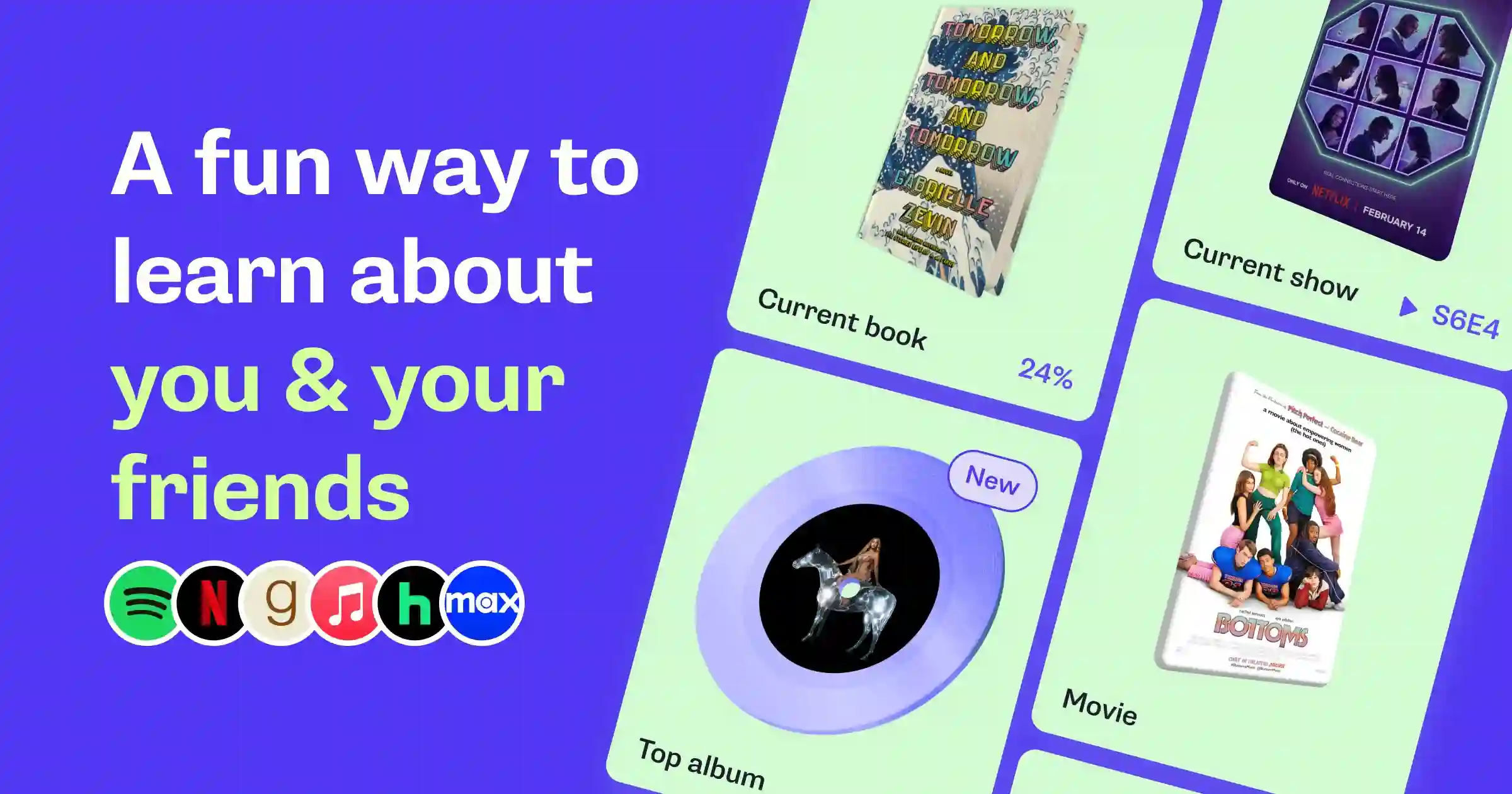
Digital Consumption Tracker & Cultural Life Profile Platform
AI-Powered Research & Document Analysis Platform
AI research paper discovery
Worth exploring us? Bookmark! so you don't forget the URL.
Stop testing random tools. 320+ AI tools for UI, branding, 3D, motion, illustration and more — curated and reviewed by designers who use them daily.
Frequently Asked Questions
AI-Powered Design Tools for Creative Workflows, Layout & Prototyping
What is the best AI tool for research in 2026?
Perplexity AI leads for general professional research with its cited, synthesized answers and Deep Research mode. For academic literature, Scite and Semantic Scholar are the strongest tools. For document-level analysis, SciSpace and Scholarcy handle paper summarization at a quality that preserves methodological nuance.
Can AI tools summarize academic papers accurately?
Yes, with important caveats. Tools like SciSpace, Scholarcy, and Claude can produce accurate summaries of academic papers that preserve key findings and methodology. Accuracy drops for papers with complex statistical methods, dense technical terminology, or arguments that depend on close reading of specific figures and tables. Always verify summaries against the abstract and key sections of the original paper.
Do AI research tools hallucinate references?
General-purpose AI tools (ChatGPT, general LLMs) have a known problem with hallucinating plausible-sounding but nonexistent citations. Research-specific tools like Perplexity AI, Scite, and Semantic Scholar are built with citation accuracy as a core requirement — their references are drawn from indexed databases and can be verified. Always check that cited papers actually exist and say what the tool claims before relying on them in professional or academic work.
What is the best free AI research tool?
Perplexity AI’s free tier offers a generous amount of research capability including cited answers and basic deep research. Semantic Scholar is fully free for academic literature search. Research Rabbit is free for citation network mapping. For document summarization, SciSpace offers a free tier that handles most academic paper analysis needs.
New research tools and knowledge management comparisons every Monday.
Get New AI design tools Update in your inbox, every Monday.